
TL;DR: After a car accident, it’s crucial to communicate effectively with the other driver. Start by ensuring safety, exchanging essential information, and remaining calm. Avoid admitting fault or discussing insurance details at the scene. Focus on gathering information and documenting the incident.
Key Highlights:
- Ensure everyone’s safety first.
- Exchange names, contact details, and insurance information.
- Document the scene with photos and notes.
- Avoid discussing fault or blaming anyone.
- Stay calm and courteous throughout the interaction.
Car accidents are an unfortunate reality on the roads, with millions occurring each year. According to the National Highway Traffic Safety Administration (NHTSA), there were over 6 million police-reported crashes in the United States in 2020 alone. These incidents can lead to injuries, property damage, and emotional distress. Knowing how to communicate with the other driver can significantly impact the situation’s outcome.
When you’re involved in a car accident, emotions can run high. It is essential to approach the situation with a clear mind. The way you interact with the other driver can affect everything from insurance claims to potential legal actions. Understanding the right phrases to use and the information to share can help ensure a smoother resolution.
Effective communication after an accident is not just about exchanging information; it’s about maintaining a level of professionalism and calmness that can help de-escalate any tension. This article will provide a detailed guide on what to say to the other driver, ensuring you handle the situation appropriately and effectively.
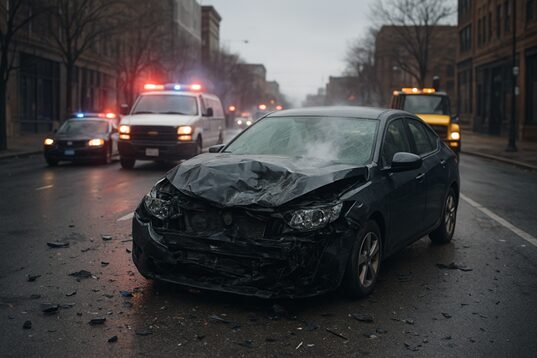
1. Prioritize Safety First
Before anything else, make sure that everyone involved is safe. If the vehicles are drivable and it’s safe to do so, move them to the side of the road to prevent further accidents. Here’s what to do:
- Check for Injuries: Ask the other driver and any passengers if they are okay. If anyone is injured, call emergency services immediately.
- Stay Calm: Take deep breaths. Remaining calm will help you think clearly and communicate effectively.
- Turn on Hazard Lights: This alerts other drivers to the situation and can prevent additional accidents.
2. Exchange Essential Information
Once safety is ensured, it’s time to exchange information with the other driver. This step is crucial for insurance claims and any potential legal issues. Make sure to gather the following:
- Names and Contact Information: Write down the full name and phone number of the other driver.
- Insurance Information: Ask for the name of their insurance company and policy number.
- Vehicle Details: Note the make, model, year, and license plate number of the other vehicle.
- Witness Information: If there are any witnesses, gather their contact details as well.
Example Phrases:
- “Can I have your name and insurance information, please?”
- “What’s the make and model of your vehicle?”
3. Document the Scene
Accurate documentation of the accident scene is vital for future reference. It can support your case when dealing with insurance companies or legal matters. Here’s how to do it effectively:
- Take Photos: Capture images of the vehicles, the surrounding area, and any visible damage.
- Make Notes: Write down the time, date, and location of the accident. Include weather conditions and any other relevant details.
- Sketch the Scene: If possible, create a simple diagram showing the positions of the vehicles and any road signs or signals.
Example Phrases:
- “I’m going to take some pictures of the scene for documentation.”
- “Can you describe what happened from your perspective?”
4. Avoid Discussing Fault
Discussing who is at fault can complicate matters and escalate tensions. It’s best to avoid assigning blame or speculating about the cause of the accident. Focus on the facts instead. Here’s what to keep in mind:
- Stay Neutral: Don’t say things like “I’m sorry” or “I didn’t see you.” These statements can be interpreted as admissions of fault.
- Stick to the Facts: Share only the details of the incident without emotional language or accusations.
- Let Authorities Handle It: If law enforcement is called to the scene, allow them to determine fault based on their investigation.
Example Phrases:
- “Let’s just focus on exchanging information for now.”
- “I think it’s best if we let the police handle the details.”
5. Communicate Courteously
Maintaining a polite demeanor can help ease the situation. Even if the accident is stressful, being courteous can prevent further escalation. Here are some tips:
- Use Respectful Language: Avoid raising your voice or using harsh words.
- Listen Actively: Allow the other driver to express their concerns without interruption.
- Be Patient: Understand that both parties may be shaken up. A calm approach can help both of you deal with the situation more effectively.
Example Phrases:
- “I understand this is a stressful situation for both of us.”
- “Thank you for being patient while we sort this out.”
6. Follow Up After the Accident
Once the immediate situation is handled, follow up on necessary actions. This can include contacting your insurance company and ensuring all documentation is complete. Here’s what to do:
- Report to Insurance: Notify your insurance company about the accident as soon as possible. Provide them with all the information you gathered.
- Keep Records: Maintain a file with all documents related to the accident, including police reports, medical bills, and correspondence with your insurance.
- Consider Legal Advice: If there are injuries or significant damages, consulting with a legal professional can be beneficial.
Example Phrases:
- “I’ll be reporting this to my insurance company shortly.”
- “Let’s keep each other updated if we need to exchange more information later.”
Knowing what to say to the other driver after a car accident is essential for protecting your health, safety, and future claim. The key is to keep your conversation brief, calm, and focused only on exchanging necessary information such as names, contact details, insurance, license plates, and vehicle descriptions. Avoid apologizing, admitting fault, or discussing how the crash happened, as even innocent statements can be used against you later. This complete list of what to say helps you stay in control, avoid legal mistakes, and ensure the scene is properly documented.
Conclusion
It’s also important to understand when to stop talking and involve professionals. After exchanging information, direct any additional questions from the other driver or their insurer to your car accident lawyer or personal injury lawyer. These legal professionals know how to handle statements, protect your rights, and prevent insurance companies from twisting your words. By staying polite, sharing only the essentials, and letting your attorney manage the rest, you give yourself the best chance at a strong and successful accident claim.
Effective communication with the other driver after an accident is crucial for a smooth resolution. Prioritize safety, exchange essential information, document the scene, and avoid discussing fault. By maintaining a calm and courteous demeanor, you can help ensure that the situation is handled professionally.
Remember, the way you handle this interaction can significantly impact the claims process and any potential legal matters. Always follow up with your insurance and keep thorough records of everything related to the accident. If you find yourself unsure about the next steps, seeking professional advice can provide clarity and guidance. Contact us today for free case evaluation.