
TL;DR: Immediately after an at-fault accident, prioritize safety by moving to a secure location and checking for injuries. Call 911 to report the incident and request medical assistance if needed. Exchange contact and insurance information with the other driver without admitting fault. Document the scene with photos and notes, then promptly report the collision to your insurance company. Cooperate with your insurer and the police, but avoid making recorded statements to the other party’s insurance without legal advice.
Key Highlights
- Ensure everyone’s safety and call 911.
- Exchange information (name, contact, insurance).
- Document the scene with photos, videos, and notes.
- Do not admit fault at the scene.
- Report the accident to your insurance provider.
- Understand your insurance coverage and potential rate increases.
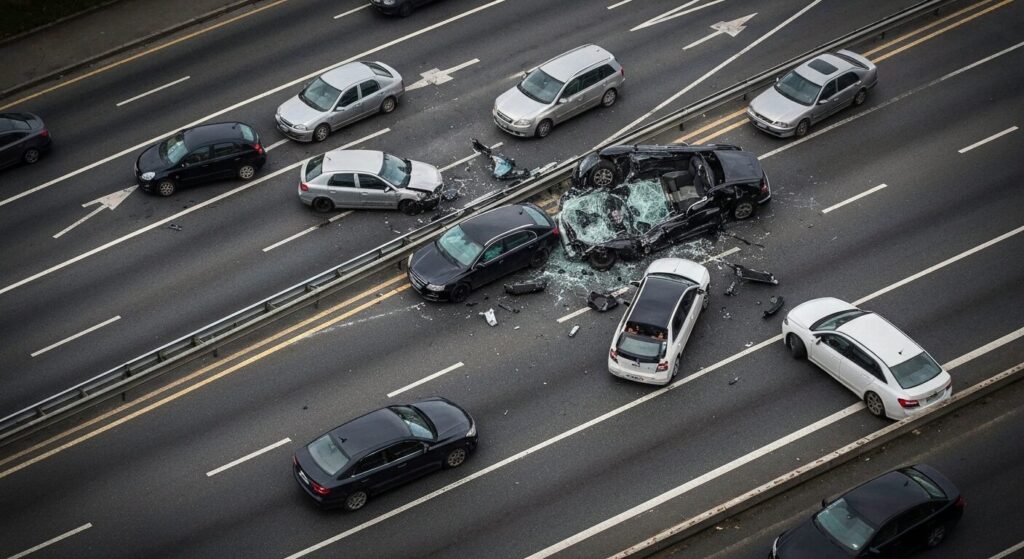
Motor vehicle collisions are a frequent occurrence on American roads. According to the National Highway Traffic Safety Administration (NHTSA), millions of police-reported crashes happen each year, the vast majority of which result in property damage only. While no one plans to be involved in a collision, understanding the proper procedures is essential, especially when you believe you may be the responsible party. The moments following a crash are often filled with confusion and stress, but your actions can significantly influence the financial and legal outcomes.
The legal framework for car accidents varies by state. Most states, like California and Texas, operate under a “tort” or “at-fault” system. In these states, the person responsible for causing the accident is also responsible for the damages. This means their liability insurance is tapped to cover the other party’s medical bills, lost wages, and vehicle repairs. A minority of states, such as Florida and New York, use a “no-fault” system, where each driver’s own insurance policy, specifically their Personal Injury Protection (PIP) coverage, pays for their initial medical expenses, regardless of who caused the crash. Understanding which system your state uses is fundamental to the claims process.
Immediate Actions at the Scene of the Collision
The first few minutes after a car crash are the most critical. Your immediate actions can protect everyone’s health, secure vital information, and establish the foundation for a smooth insurance claim process. Adrenaline and anxiety are high, but maintaining a clear head is your greatest asset.
Prioritize Safety Above All Else
Before you do anything else, assess the safety of the situation. Your primary responsibility is to prevent any further harm to yourself, your passengers, and others involved.
- Stop Your Vehicle: Never leave the scene of an accident, even a minor one. Pull over as soon as it is safe to do so.
- Activate Hazard Lights: Make your vehicle as visible as possible to other drivers by turning on your emergency flashers.
- Check for Injuries: Check on yourself and any passengers in your car. Then, if you are able, check on the occupants of the other vehicle(s). If anyone is complaining of pain or appears injured, do not move them unless they are in immediate danger (e.g., from a fire).
- Move to a Safe Location: If the accident is minor and the vehicles are drivable, the safest course of action is often to move them to the shoulder or a nearby parking lot. This prevents a secondary collision and clears the road for emergency vehicles. In many jurisdictions, it is legally required to move vehicles from traffic lanes if possible.
- Use Warning Devices: If you have them, place emergency flares or reflective triangles behind your vehicle to alert oncoming traffic, especially at night or in poor weather conditions.
Contact Emergency Services (911)
Even if the collision seems minor and no one appears hurt, calling 911 is a crucial step. The police and, if necessary, medical personnel provide essential services that protect everyone involved.
- Why a Police Report is Essential: A police report is an official, third-party record of the incident. When an officer arrives, they will document the scene, gather statements from drivers and witnesses, and make an initial assessment of the circumstances. This report contains vital information that your insurance company will use to process the claim, including contact details, insurance information, a diagram of the scene, and sometimes the officer’s opinion on contributing factors. Without a police report, the other driver could change their story later, making the claim a “he-said, she-said” situation.
- Requesting Medical Assistance: Some injuries, like whiplash or concussions, may not present symptoms immediately due to the adrenaline rush. It is always best to be evaluated by a paramedic on the scene or to see a doctor soon after. When you call 911, inform the dispatcher if anyone is complaining of any pain or discomfort, no matter how slight.
The Right Way to Interact with the Other Driver
Your conversation with the other driver should be brief, polite, and focused on exchanging necessary information. What you say can have significant legal and financial implications.
- Stay Calm and Courteous: Emotions can run high, but escalating the situation with anger or accusations will not help. A calm demeanor can de-escalate tension and facilitate a smoother information exchange.
- Exchange Essential Information: You are legally required to share certain details with the other driver. Have your driver’s license, vehicle registration, and insurance card ready. Be sure to get the following from them:
- Full Name and Address
- Phone Number
- Driver’s License Number
- License Plate Number
- Insurance Company Name and Policy Number
- Do Not Admit Fault: This is perhaps the most critical piece of advice. Avoid saying things like “I’m so sorry,” “It was my fault,” or “I didn’t see you.” While it may feel natural to apologize, these statements can be interpreted as an admission of legal guilt. You may not have a full understanding of all the factors that contributed to the crash. Let the police and insurance companies conduct their investigations to determine liability. Stick to the facts when discussing the incident.
Documenting Everything: Your Most Important Task
In the world of insurance claims, evidence is everything. The more documentation you can gather at the scene, the better equipped you and your insurer will be to handle the claim. Your smartphone is your most powerful tool in this process.
Becoming Your Own Investigator with Your Smartphone
Think of yourself as a fact-gatherer. Your goal is to create a comprehensive visual record of the accident scene before anything is moved or cleaned up.
- Take Wide-Angle Photos: Capture the entire scene from several different angles. Include landmarks, traffic signals, road signs, and the final resting positions of the vehicles. This context helps investigators understand how the collision occurred.
- Photograph All Vehicle Damage: Take close-up pictures of the damage to your car and the other vehicle(s) involved. Be thorough. Photograph dents, scratches, broken lights, and deployed airbags. Take photos from multiple angles to show the extent of the impact.
- Document Road and Weather Conditions: Take pictures of any relevant factors, such as skid marks on the pavement, debris from the crash, potholes, or construction zones. Note whether the road was wet, if it was foggy, or if the sun was causing a glare.
- Record a Short Video: A video can sometimes capture details that still photos miss. Walk around the scene and slowly pan across the vehicles and surrounding area. You can also narrate what you are seeing to create a real-time record.
Gathering Witness Information
Independent witnesses can provide an unbiased account of the event. Their testimony can be invaluable, especially if the other driver’s story conflicts with yours.
- Approach Witnesses Politely: If anyone stopped to help or saw the accident happen, ask if they would be willing to provide their name and phone number.
- Ask for a Brief Statement: You can ask them what they saw, but do not pressure them. Simply getting their contact information is the most important part; your insurance adjuster can contact them later for a formal statement.
- Note Their Location: Make a mental or written note of where the witness was standing or driving when they saw the crash. This can help establish their vantage point and credibility.
Writing Down Your Own Account
Your memory of the event will be sharpest in the hours immediately following the crash. As soon as you are in a safe place, write down or record a voice memo detailing everything you can remember.
- Be Specific: Include the date, time, and exact location (street names, mile markers).
- Describe the Sequence of Events: Write down what you were doing right before the crash, your direction of travel, your approximate speed, and what you saw and heard.
- Include Details: Note the weather, traffic conditions, and anything else that seems relevant. Did the other driver have their turn signal on? Were their brake lights working? The more detail, the better. This personal record will be a useful reference when you speak to the police and your insurance company.
Reporting the Accident to Your Insurance Company
Contacting your insurance provider is a non-negotiable step after any car accident, particularly one where you are at fault. Your policy is a contract, and it includes a duty to report incidents promptly. Delaying this step can create serious problems for your claim.
Why You Must Report the Accident Promptly
Failing to notify your insurer in a timely fashion can be seen as a breach of your policy agreement. This could give them grounds to deny your claim, leaving you personally responsible for all damages.
- Contractual Obligation: Your insurance policy almost certainly contains a “notice clause” that requires you to report any accident, theft, or other loss as soon as reasonably possible.
- Protecting Yourself: Prompt reporting allows your insurer to begin its investigation immediately. They can collect evidence, speak to witnesses, and assess the damages while the information is still fresh. This helps them defend you against exaggerated or fraudulent claims from the other party. Even if the other driver says they are not injured or that the damage is minor, they could change their mind later and file a claim or a lawsuit. If you haven’t reported the incident, your insurer will be at a disadvantage.
What Information to Have Ready for the Call
When you call your insurance company’s claims hotline, being prepared will make the process more efficient. Have the following information organized and ready:
- Your Insurance Policy Number: This is the quickest way for them to access your account.
- Basic Accident Details: The date, time, and specific location of the collision.
- Information from the Other Party: The name, contact information, and insurance details for the other driver(s).
- Police Report Number: If the police responded to the scene, they should have given you a report number or an incident card. Provide this to your insurer.
- A Factual Description: Be prepared to give a clear, concise, and factual account of what happened. Refer to the notes you took at the scene. Avoid speculation or admitting fault over the phone. Simply state the facts as you know them.
Understanding Your Coverage: What Will Your Policy Pay For?
An at-fault accident triggers specific parts of your auto insurance policy. Knowing what each coverage does is key to understanding the financial implications.
- Liability Coverage: This is the core of your policy and is mandatory in nearly every state. It pays for the other party’s damages when you are at fault. It is broken into two parts:
- Bodily Injury Liability (BI): Covers the other person’s medical bills, lost wages, and pain and suffering.
- Property Damage Liability (PD): Covers the cost of repairing or replacing the other person’s vehicle and any other property you damaged (like a fence or mailbox).
- Collision Coverage: This is an optional coverage that pays to repair or replace your own vehicle after a crash with another object or vehicle, regardless of who is at fault. If you have this coverage, you will be able to get your car fixed after an at-fault accident. You will, however, have to pay your deductible first. The deductible is the amount you pay out of pocket (e.g., $500 or $1,000) before your insurance pays the rest.
- Medical Payments (MedPay) or Personal Injury Protection (PIP): These are optional coverages (though PIP is required in no-fault states) that cover medical expenses for you and your passengers, no matter who is at fault.
The Claims Process: Working with Adjusters and Repair Shops
Once you file a claim, your insurance company will assign a claims adjuster to your case. This person will manage the investigation, determine liability, and authorize payments. Your cooperation is key, but it’s also important to understand your rights.
Your Role in the Insurance Claim
Your claims adjuster is your primary point of contact. Their job is to investigate the claim on behalf of the insurance company and determine what the policy covers.
- Cooperate with Your Adjuster: Be honest and provide them with all the documentation you collected, including photos, witness information, and the police report. Answer their questions truthfully. Your duty to cooperate is part of your insurance contract.
- Keep Records: Maintain a file with all accident-related documents. Keep copies of the police report, medical bills, repair estimates, and any correspondence with the insurance company. Take notes during every phone call, including the date, time, the name of the person you spoke with, and a summary of the conversation.
Dealing with the Other Party’s Insurance Company
Shortly after the accident, you will likely receive a call from the other driver’s insurance adjuster. It is crucial to handle this communication carefully.
- You Are Not Obligated to Give a Recorded Statement: The other party’s adjuster may ask you to provide a recorded statement about the accident. You are under no legal obligation to do so, and it is generally advisable to politely decline. Their goal is to find information that minimizes their company’s payout. Your words could be twisted or taken out of context to shift blame or downplay the other driver’s damages.
- Refer Them to Your Insurer: The best response is to refer them to your own insurance company. You can say, “My insurance company is handling all communications regarding the accident. Please contact them directly.” This ensures that trained professionals are managing the conversation.
Getting Your Vehicle Repaired
If you have collision coverage, your policy will pay for the repairs to your vehicle, minus your deductible.
- Damage Assessment: Your insurer will need to inspect your vehicle to estimate the cost of repairs. They may send an adjuster to look at the car or ask you to take it to an approved auto body shop for an estimate.
- Choosing a Repair Shop: You have the legal right to have your car repaired at the shop of your choice. Your insurance company cannot force you to use a specific facility. However, they may have a network of “preferred” or “direct repair program” shops that offer warranties and may streamline the process.
- The Deductible: Remember, you are responsible for paying your deductible directly to the repair shop. For example, if the repairs cost $4,000 and your deductible is $1,000, you will pay the shop $1,000, and your insurer will pay the remaining $3,000.
Financial and Legal Consequences of an At-Fault Accident
An at-fault accident has consequences that extend beyond the immediate repairs and medical bills. You should be prepared for the financial impact on your insurance premiums and potential legal issues.
The Impact on Your Insurance Premiums
One of the most common results of an at-fault accident is an increase in your auto insurance rates. Insurance companies view you as a higher risk after you’ve caused a collision.
- Rate Increases are Likely: According to industry data, a single at-fault accident claim can increase your premium by an average of 40% to 50% at your next renewal. The exact amount depends on the severity of the accident, your driving record, and your insurance provider.
- Accident Forgiveness: Some insurance companies offer “accident forgiveness” as an add-on to a policy or as a reward for long-term customers with clean records. If you have this feature, your rate may not increase after your first at-fault accident. Check your policy details to see if this applies to you.
- Shopping for New Insurance: Your rate increase will typically last for three to five years. If your premium becomes unaffordable, you can shop around for quotes from other insurance companies, but you must disclose the recent accident.
What Happens if the Damages Exceed Your Policy Limits?
This is a serious situation that every driver should understand. Your liability coverage has limits, which are the maximum amounts your insurer will pay for a claim.
- Understanding Policy Limits: A typical policy might have limits expressed as 50/100/25. This means:
- $50,000 in bodily injury liability coverage per person.
- $100,000 in bodily injury liability coverage per accident.
- $25,000 in property damage liability coverage per accident.
- Personal Responsibility for the Excess: If you cause an accident where the other party’s medical bills are $70,000 and your per-person limit is $50,000, you could be held personally responsible for the remaining $20,000. The injured party can sue you for the difference. This could lead to a court judgment against you, potentially resulting in wage garnishment or a lien on your property. This scenario underscores the importance of carrying more than just the state-minimum liability coverage.
Traffic Citations and Points on Your License
If the responding police officer determines you violated a traffic law, you will likely be issued a ticket.
- Fines and Court Costs: You will have to pay the fine associated with the citation.
- Points on Your Driving Record: Most states use a point system to track driving infractions. Accumulating too many points in a certain period can lead to the suspension or revocation of your driver’s license.
- Impact on Insurance: A traffic ticket, in addition to the at-fault accident itself, will contribute to the increase in your insurance premiums.
When to Consider Contacting a Car Accident Attorney
Many at-fault accidents can be handled entirely through the insurance companies. However, certain situations are complex enough that seeking legal advice is a prudent step, even when you are the responsible party.
You might need a car accident lawyer to defend your interests if the accident involves significant consequences or disputes.
- Serious Injuries or a Fatality: If anyone was seriously injured or killed in the accident, you will almost certainly face a major insurance claim and a potential lawsuit. A defense attorney can protect your rights and manage the legal process.
- You Are Being Sued Personally: If the other party’s damages exceed your insurance policy limits and they file a lawsuit against you for the remainder, you need legal representation. A lawyer can negotiate a settlement or defend you in court.
- Disputes Over Fault: Sometimes, liability isn’t 100% clear. The other driver may have also contributed to the accident. In these cases, an attorney can help argue for a more favorable distribution of fault.
- Your Insurance Company Acts in Bad Faith: Your insurer has a duty to defend you against claims covered by your policy. If they refuse to do so or are not handling your claim properly, you may need an attorney to force them to meet their obligations.
How a Lawyer Can Help in an At-Fault Situation
A defense attorney’s role is to protect you from excessive financial liability. They can:
- Manage Communication: Handle all communications with the other party’s lawyer and insurance company.
- Investigate the Accident: Conduct an independent investigation to ensure all contributing factors are considered.
- Negotiate a Settlement: Work to settle the claim within your policy limits to protect your personal assets.
- Defend You in Court: If a lawsuit is filed, they will represent you throughout the litigation process.
Understanding Comparative and Contributory Negligence
These legal doctrines are used to allocate fault when more than one party is responsible for an accident.
- Comparative Negligence: Most states use this system. It allows fault to be shared. For example, a court might find you 80% at fault for running a stop sign, but the other driver 20% at fault for speeding. In this case, your liability for their damages would be reduced by 20%.
- Contributory Negligence: This is a much harsher rule used in only a few states. Under this doctrine, if a person is found to be even 1% at fault for their own injuries, they are barred from recovering any money from the other party.
A personal injury attorney can analyze the facts of your case to see if these principles apply, potentially reducing your financial responsibility.
Conclusion
Being the at-fault driver in a car accident is a stressful and difficult experience. However, by taking a structured and informed approach, you can manage the situation effectively and protect yourself from unnecessary legal and financial hardship. The process begins with prioritizing safety at the scene, followed by meticulous documentation of every detail. Promptly reporting the incident to your insurance company is not just a good idea; it is a contractual obligation that initiates the process of resolving the claim.
Throughout this period, your actions matter. Cooperating with your own insurer, being cautious in your communications with the other party, and understanding the coverages in your policy are all essential steps. The consequences, such as increased insurance premiums and potential legal action, are real. Acknowledging them allows you to prepare and respond appropriately. This is also a critical moment to review your insurance coverage. Ensuring you have liability limits that are high enough to protect your assets is one of the most important financial decisions you can make.
While most claims are resolved without major issue, do not hesitate to seek professional help if the situation becomes complex. If there are serious injuries, if the damages appear to exceed your policy limits, or if you are facing a lawsuit, consulting with a qualified car accident attorney is a crucial step to safeguard your future. By following these guidelines, you can handle an at-fault accident with confidence and ensure the best possible outcome in a challenging situation. Contact us today for free case evaluation.