
TL;DR: Failing to report a car accident can trigger a cascade of severe legal and financial problems. Depending on your state’s laws and the severity of the collision, you could face criminal charges like hit-and-run, which may be a misdemeanor or a felony. Your driver’s license could be suspended, and you may be hit with heavy fines. Furthermore, your insurance company can deny your claim for failing to report the incident promptly, leaving you personally responsible for all vehicle repairs and medical bills. This breach of your policy contract could also lead to your coverage being canceled, making it difficult and expensive to get insured in the future.
Jump to a section
Key Highlights
- Legal Penalties: You risk fines, points on your license, and even jail time.
- Criminal Charges: Leaving the scene of an accident, especially one with injuries, is a serious crime.
- Insurance Claim Denial: Your insurer has the right to deny coverage if you violate your policy’s reporting requirements.
- Personal Lawsuits: Without insurance backing, you can be sued directly for all damages, putting your personal assets at risk.
- Forfeiting Your Rights: You lose the ability to file a claim for your own injuries or vehicle damage that may appear later.
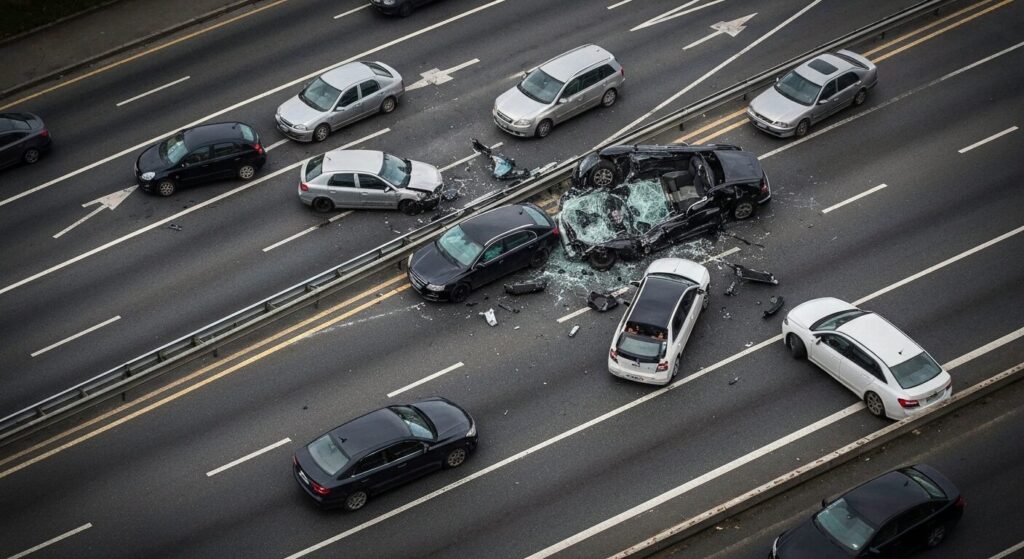
State vehicle codes and transportation laws exist to create a clear, standardized process for these events. Most jurisdictions legally require drivers to report any collision that results in an injury, death, or property damage exceeding a specific monetary threshold. For example, in California, any accident involving injury or property damage over $1,000 must be reported to the DMV. In Texas, the threshold is also $1,000, while in Florida, any crash with injuries or apparent property damage of $500 or more must be reported to law enforcement. These laws are not just about assigning blame; they are critical for collecting traffic safety data, ensuring injured parties receive care, and establishing an official record of the event.
Deciding to bypass this official process might seem like a simple way to avoid rising insurance premiums or a mark on your driving record. However, this seemingly easy path is filled with significant financial and legal risks. The consequences of not reporting a car accident extend far beyond a simple traffic ticket. They can impact your freedom, your financial stability, and your ability to drive. Understanding the full scope of these potential outcomes is essential for any driver looking to protect themselves after a crash.
The Legal Consequences of Not Reporting an Accident
The most immediate and often most serious results of not reporting a car accident are legal. Every state has laws dictating when and how a crash must be reported, and ignoring these statutes can lead to penalties ranging from a minor infraction to a life-altering felony conviction.
State-Specific Reporting Requirements
The obligation to report an accident is not universal; it is defined by the laws of the state where the collision occurred. These laws typically hinge on two factors: the extent of the injuries and the estimated cost of property damage.
- Injury or Fatality: Virtually every state mandates the immediate reporting of any accident that causes an injury, no matter how minor it seems, or results in a death. This usually involves calling 911 from the scene.
- Property Damage Thresholds: For accidents involving only property damage, a monetary threshold applies. This amount varies widely. For instance:
- New York: Requires reporting if property damage to any one person exceeds $1,000.
- Georgia: Mandates reporting for damage of $500 or more.
- Illinois: Sets the threshold at $1,500 if all drivers are insured, but lowers it to $500 if any driver is uninsured.
Failing to file a required report with the police or the state’s Department of Motor Vehicles (DMV) is a violation that carries its own set of penalties, separate from any traffic citations issued for the accident itself.
Misdemeanor vs. Felony Charges
The legal severity of failing to report an accident escalates dramatically based on the circumstances, particularly whether you remained at the scene.
- Failure to Report (Infraction or Misdemeanor): If you stop, exchange information, but simply fail to file a legally required police or DMV report later, this is often treated as a traffic infraction or a misdemeanor. Penalties might include a fine and points on your driving record.
- Hit-and-Run (Misdemeanor): If you leave the scene of an accident involving only property damage without identifying yourself to the other party, you have committed a hit-and-run. This is almost always a misdemeanor offense.
- Hit-and-Run with Injury (Felony): If you leave the scene of an accident where another person is injured or killed, the offense becomes a felony in nearly every state. This is a very serious crime with severe consequences.
Penalties You Could Face
The specific penalties for failing to report an accident or for a hit-and-run conviction can be harsh and have long-lasting effects.
- Fines: These can range from a couple of hundred dollars for a simple reporting failure to thousands of dollars for a misdemeanor or felony conviction.
- Jail Time: A misdemeanor hit-and-run could result in up to a year in county jail. A felony conviction can lead to several years in state prison, especially if the victim suffered a serious injury or died.
- Driver’s License Suspension or Revocation: State DMVs will almost certainly suspend or revoke the license of any driver convicted of hit-and-run. For a simple failure to file a required report, a suspension is also a common penalty.
- Criminal Record: A misdemeanor or felony conviction creates a permanent criminal record. This can make it extremely difficult to pass background checks for employment, secure housing, obtain professional licenses, or even apply for loans.
How Your Car Insurance is Affected
Beyond the legal system, your relationship with your car insurance provider is immediately jeopardized when you don’t report an accident. A car insurance policy is a legal contract, and by not reporting an incident, you are likely violating its terms and conditions.
Violation of Your Policy Contract
When you purchase car insurance, you agree to a set of duties and responsibilities outlined in the policy documents. One of the most fundamental duties is the “duty to notify” or “duty to cooperate.” This clause requires you to inform the insurance company in a timely manner of any accident or loss that could potentially lead to a claim.
The reason for this is practical. Insurers need to investigate the incident promptly to:
- Assess the damage before repairs are made.
- Interview witnesses while their memories are fresh.
- Examine the scene for evidence.
- Get a statement from their policyholder about what happened.
By not reporting the accident, you deny them the ability to conduct a fair and timely investigation. This is considered a breach of your contract.
Claim Denial and Policy Cancellation
The consequences of breaching your insurance contract are significant.
- Claim Denial: Let’s say you have a minor fender-bender and agree with the other driver not to report it. A week later, the other driver claims they have whiplash and files a claim with your insurance company. When your insurer learns you knew about the accident and didn’t report it, they have solid grounds to deny the claim. They can argue that your failure to report prejudiced their ability to investigate and defend against the claim. This leaves you to face the other driver’s demands on your own.
- Policy Cancellation or Non-Renewal: Insurance companies view unreported accidents as a sign of high risk. A driver who hides incidents is unpredictable. As a result, your insurer might cancel your policy effective immediately or, more commonly, choose not to renew it at the end of the term. A policy cancellation on your record makes you a high-risk driver, and you will find it much more difficult and expensive to find coverage with another company.
The Problem with “Handshake Deals”
Many drivers try to avoid reporting by making a “handshake deal” to handle the costs privately. The at-fault driver offers to pay cash for the repairs to avoid involving insurance. While this sounds simple, it is a risky gamble.
Consider this scenario: You gently rear-end someone at a stoplight. The damage looks like a minor scratch on their bumper. The other driver is agreeable and says, “Don’t worry about it, just give me $300 for the repair and we’ll call it even.” You pay them and drive away, relieved. But then:
- The Cost is Higher: They take their car to a body shop and find out the “minor scratch” is actually a cracked bumper with damaged sensors underneath. The real repair cost is $2,500. They now demand you pay the full amount.
- An Injury Appears: A few days later, they claim their neck and back are hurting. They go to a doctor and now want you to pay for their medical bills and lost wages.
- They Report It Anyway: The other driver takes your $300 and then files a claim with their own insurance company (or yours), denying they ever received money from you. Without a police report or any official documentation, it’s your word against theirs.
A formal report creates an official record that protects all parties from changing stories and unexpected claims.
Facing Personal Financial Liability
When your insurance company denies a claim because you failed to report an accident, the financial safety net they provide disappears. You are now personally responsible for every dollar of damage that resulted from the collision. This can lead to financial ruin.
Paying Out-of-Pocket for Everything
Without insurance coverage, you are on the hook for a long list of potential expenses. The costs can add up with frightening speed.
- Vehicle Repairs: You must pay for the repairs to the other party’s vehicle. In today’s cars, with complex sensors, cameras, and composite materials, a seemingly minor impact can easily result in thousands of dollars in damage. You will also have to pay for your own vehicle repairs.
- Medical Bills: If anyone in the other vehicle was injured, you are liable for their medical expenses. This includes the ambulance ride, emergency room visit, doctor’s appointments, physical therapy, prescription medications, and any necessary surgeries. A single serious injury can result in medical bills exceeding hundreds of thousands of dollars.
- Lost Wages: If the injured person is unable to work because of their injuries, you can be held responsible for their lost income during their recovery.
- Pain and Suffering: In many states, injured parties can also sue for non-economic damages, such as physical pain, emotional distress, and loss of enjoyment of life. These damages can be substantial.
The Risk of a Civil Lawsuit
If you are unable or unwilling to pay these costs, the other party has the right to file a civil lawsuit against you. This initiates a legal process where they seek a court judgment ordering you to pay.
Facing a lawsuit without an insurance company is a daunting prospect. Normally, your insurer would provide and pay for a lawyer to defend you. Without them, you must hire your own personal injury attorney, which is a significant expense in itself. If you lose the lawsuit, the court will issue a judgment against you. To collect on that judgment, the plaintiff can pursue several avenues:
- Wage Garnishment: A portion of your paycheck can be legally seized every pay period until the debt is satisfied.
- Bank Account Levy: The funds in your bank accounts can be frozen and taken.
- Property Lien: A lien can be placed on your home, car, or other valuable assets, which means you cannot sell them without first paying off the judgment.
A single unreported accident can spiral into a long-term financial burden that jeopardizes your savings, your home, and your future earnings.
Unseen Injuries and Delayed Damage Discovery
One of the most compelling reasons to report every accident is that the true extent of the damage, both to people and property, is often not apparent at the scene. The decision not to report, made in the heat of the moment, can close the door on your ability to get compensation for problems that surface later.
The Adrenaline Factor and Latent Injuries
In the moments following a car crash, your body is flooded with adrenaline. This “fight or flight” response is a natural survival mechanism that can mask pain and injury. You might feel shaken but “fine,” only to wake up the next day with severe neck pain, a throbbing headache, or debilitating back stiffness.
Common latent injuries include:
- Whiplash: A soft tissue injury to the neck that can cause chronic pain and stiffness. Symptoms often take 24-48 hours to appear.
- Concussions: A mild traumatic brain injury whose symptoms, like confusion, dizziness, and memory problems, may not be immediately obvious.
- Internal Bleeding: A life-threatening condition that may have no external signs.
- Herniated Discs: Damage to the spine that can cause radiating pain, numbness, or weakness in the days and weeks following a crash.
If you don’t report the accident and file a police report, it becomes incredibly difficult to prove that these injuries were caused by the collision. The other driver’s insurance company will argue that your injury could have happened somewhere else in the days between the accident and your visit to the doctor. An official report provides a time-stamped, documented link between the event and your injuries, which is crucial for any personal injury claim.
Hidden Vehicle Damage
Modern cars are designed to crumple and absorb impact to protect the occupants. This means that a plastic bumper cover can hide significant and expensive damage underneath. What appears to be a minor dent or scrape could actually be:
- A cracked radiator or condenser.
- A bent frame or unibody structure.
- Damaged parking sensors, cameras, or radar systems.
- A compromised impact absorption bar.
Without a professional inspection at a body shop, you have no way of knowing the true cost of repairs. If you agree to a small cash settlement at the scene, you forfeit your right to go back and ask for more money once the hidden damage is discovered. Reporting the accident and initiating an insurance claim ensures that a professional appraiser will thoroughly inspect the vehicle and cover the full, actual cost of restoration.
What Constitutes “Reporting” an Accident?
Understanding the different layers of “reporting” is key, as they are not all the same. Fulfilling your legal and contractual duties often involves multiple steps.
Calling 911 at the Scene
The most immediate form of reporting is calling 911. This should be your first action in any accident involving an obvious injury, a blocked roadway, or a driver who appears to be intoxicated. Calling 911 dispatches police, fire, and emergency medical services to the scene. The responding police officer will then create an official police report, which serves as the primary document of the incident.
Filing a Police Report After the Fact
In some minor accidents, the police may not respond to the scene, especially in busy urban areas. However, you may still be legally required to report the accident. This often means the drivers involved must go to the nearest police station to file a “counter report.” This self-report still creates an official record of the event, which can be used for insurance purposes.
Submitting a DMV/State Accident Report Form
Separate from a police report, many states require drivers to file their own accident report directly with the DMV or state transportation agency. This is typically required when the accident meets the state’s property damage or injury threshold, even if the police already filed a report.
For example, California’s SR-1 form (“Report of Traffic Accident Occurring in California”) must be filed by the driver within 10 days of a collision if there was an injury, death, or more than $1,000 in property damage. Failing to submit this form can lead directly to a driver’s license suspension, regardless of who was at fault for the accident.
Notifying Your Insurance Company
This is a completely separate reporting duty. Reporting to the police or DMV does not mean your insurance company automatically knows about the accident. Your policy requires you to notify your insurer directly and promptly. Most insurance companies have 24/7 claim hotlines and mobile apps to make this process easy. This notification is what officially starts the claims process and is necessary to secure the protections and coverage provided by your policy.
When You MUST Report an Accident vs. When It’s Optional (But Still a Good Idea)
While the safest default is to report every incident, it’s helpful to understand the specific situations that trigger a legal requirement to do so.
Mandatory Reporting Situations
You have no choice but to report an accident under the following circumstances. Failing to do so will almost certainly lead to legal and financial trouble.
- Any Injury or Death: If any person involved, including a driver, passenger, or pedestrian, complains of pain or is visibly hurt, you must report it immediately.
- Property Damage Exceeds the State Threshold: You must know your state’s specific dollar amount for mandatory reporting. Since it can be difficult to estimate damage at the scene, it is always safer to report if the damage appears to be more than a minor paint scuff.
- A Driver is Under the Influence: If you suspect the other driver is impaired by alcohol or drugs, call 911 immediately. This is a public safety issue.
- A Government Vehicle or Property is Damaged: If you hit a city bus, a police car, a guardrail, or a traffic sign, the incident must be reported.
- The Other Driver is Uninsured or Leaves the Scene: If the other driver has no insurance or flees the scene, you must file a police report. This report is essential for filing an uninsured motorist claim with your own insurance company.
The “Gray Area”: Minor Parking Lot Scrapes
What about a very minor incident, like tapping another car’s bumper in a parking lot while going 1 mile per hour, leaving no visible mark? Legally, if the damage is clearly below your state’s reporting threshold and no one is injured, you may not be required to file a police or DMV report.
However, even in these cases, reporting is still the wisest course of action. You can still notify your insurance company of the incident “for record-keeping purposes only” without filing a claim. This protects you in case the other driver later decides to claim damage or injury. The best practice is to at least exchange information and take photos of both vehicles to document the lack of damage.
Why Reporting is Your Best Protection
Ultimately, you should view reporting an accident not as an inconvenience or a way to get in trouble, but as your single greatest form of protection. A police report is an impartial, official document that solidifies the facts of the case. It records the date, time, location, road conditions, parties involved, insurance information, and witness statements. It may even include the officer’s preliminary assessment of fault. This document prevents the other driver from changing their story, exaggerating damages, or claiming injuries that didn’t happen. In the chaotic moments after a collision, creating this official record is the most important step you can take to safeguard your legal and financial future.
Conclusion
The decision to not report a car accident is a gamble where the potential losses far outweigh any perceived short-term gains. While avoiding a potential insurance rate increase or a mark on your record might seem appealing, the risks you assume are immense. You expose yourself to criminal charges, including serious felonies like hit-and-run, which carry the possibility of jail time and a permanent criminal record. Your failure to report can cause your insurance provider to void your contract, denying your claim and leaving you personally liable for what could be hundreds of thousands of dollars in damages. This can lead to civil lawsuits, wage garnishments, and property liens that can follow you for years.
Furthermore, by forgoing an official report, you lose crucial protection against delayed injury claims and the discovery of hidden vehicle damage. The initial adrenaline of a crash can easily mask symptoms of whiplash or a concussion, and a simple dent can hide thousands of dollars in structural damage. Without a report linking the damages to the event, you may forfeit your right to any compensation. The official record created by a police report is not a tool for punishment; it is a shield that protects you from false accusations and future disputes.
The laws requiring accident reporting are in place for your protection and for the safety of the public. Always familiarize yourself with the specific reporting requirements in your state. If you find yourself in a collision, no matter how minor, the most prudent and responsible action is to report it. If you have been in an accident and are uncertain about your obligations or your rights, do not wait. Contact a qualified car accident attorney immediately to get clear guidance. Taking this proactive step is the best way to protect your driver’s license, your financial well-being, and your peace of mind. Contact us today for free case evaluation.