
TL;DR: After a vehicle collision, prioritize safety by checking for injuries and moving to a safe location if possible. Call emergency services and exchange information with the other driver. Document the scene with photos and gather witness statements. Notify your insurance company promptly.
Jump to a section
Key Highlights:
- Check for injuries and ensure everyone’s safety.
- Move vehicles to a safe area if possible.
- Call emergency services for medical and police assistance.
- Exchange contact and insurance details with the other driver.
- Document the accident scene with photos and notes.
- Gather witness statements if available.
- Report the accident to your insurance company.
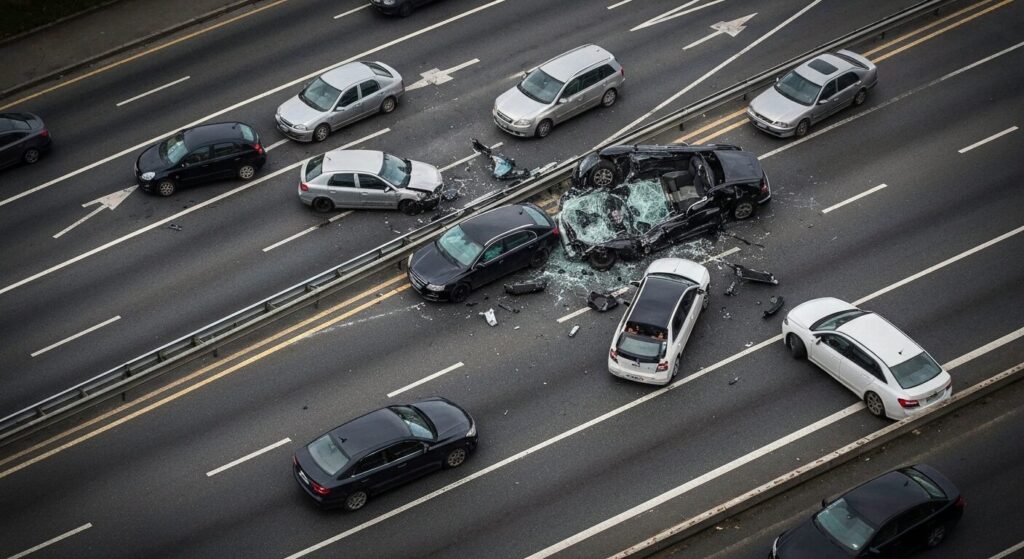
Every day, thousands of vehicle collisions occur worldwide, ranging from minor fender benders to severe crashes. In the United States alone, the National Highway Traffic Safety Administration (NHTSA) reported over 6 million police-reported crashes in recent years. These incidents can be stressful and disorienting, making it crucial to know the immediate steps to take following a collision.
Understanding what actions to prioritize can not only help ensure everyone’s safety but also streamline the process of handling insurance claims and potential legal matters. In many places, such as the state of California, specific laws mandate how drivers should respond to accidents, including the requirement to report certain collisions to law enforcement.
To effectively manage the situation, it’s essential to approach it with a clear plan. By taking decisive actions, you can protect your rights, fulfill legal obligations, and facilitate a smoother recovery process for all parties involved. The following are immediate steps following a vehicle collision:
1. Ensure Safety First
The immediate moments following a collision are critical for ensuring the safety of everyone involved. Here’s what to do:
- Check for Injuries: Quickly assess yourself and passengers for any injuries. If anyone is hurt, call emergency services immediately.
- Move to a Safe Location: If the vehicles are in a dangerous position, such as in the middle of a busy road, and they are drivable, move them to the side of the road or a safer spot. Turn on hazard lights to alert other drivers.
- Stay Calm: Keeping a level head will help you manage the situation more effectively.
2. Contact Emergency Services
In many cases, contacting emergency services is a necessary step:
- Call 911: Even in minor accidents, it’s often advisable to call the police. They can document the scene and create an official report, which can be crucial for insurance claims.
- Request Medical Assistance: If there are injuries, ensure medical help is on the way. Paramedics can provide immediate care and determine if hospital transport is necessary.
3. Exchange Information
Exchanging information with the other driver is a vital step:
- Gather Details: Collect the other driver’s name, contact information, insurance company, and policy number. Also, note the make, model, and license plate of their vehicle.
- Provide Your Information: Share your details with the other driver as well.
- Avoid Admitting Fault: Stick to factual statements and avoid discussing who is to blame.
4. Document the Scene
Proper documentation can be invaluable later on:
- Take Photos: Capture images of the vehicles, any visible damages, the surrounding area, and any road signs or signals.
- Make Notes: Write down the time, date, and location of the accident. Include any relevant weather or road conditions.
- Sketch the Scene: A simple drawing of the accident scene can help clarify how the collision occurred.
5. Gather Witness Statements
If there are witnesses, their accounts can be crucial:
- Identify Witnesses: Look for people who saw the accident and ask for their contact information.
- Record Statements: If possible, ask witnesses to provide a brief account of what they observed. These statements can support your version of events.
6. Contact a Personal Injury Attorney
After addressing your safety, documenting the scene, and notifying your insurance company, your next priority should be contacting a personal injury attorney. Early legal guidance ensures your rights are protected from the start and prevents insurance companies from minimizing or denying your claim. A personal injury lawyer or car accident lawyer can evaluate your case, advise you on what to say (and what not to say), handle communication with insurers, and begin gathering crucial evidence before it disappears. Reaching out to an attorney as soon as possible strengthens your claim and gives you the best chance at full compensation.
7. Notify Your Insurance Company
Promptly informing your insurance company is essential:
- Report the Accident: Contact your insurer as soon as possible to report the collision. Provide them with all the gathered information and documentation.
- Understand Your Coverage: Discuss the details of your policy and understand what is covered in terms of repairs, medical bills, and liability.
- Follow Up: Stay in touch with your insurance adjuster for updates on your claim’s progress.
Conclusion
Understanding the immediate steps to take following a vehicle collision is crucial for ensuring safety, fulfilling legal obligations, and facilitating a smooth insurance process. By prioritizing safety, documenting the scene, and promptly notifying your insurance company, you can effectively manage the situation and protect your rights.
Remember, preparation and knowledge are your best tools in these scenarios. Stay informed about your local laws and insurance policies, and consider keeping a checklist in your vehicle for quick reference. Taking these steps can make a significant difference in the aftermath of an accident, ensuring a more manageable and less stressful experience for everyone involved. Contact us today for free consultation.