
TL;DR: When a car accident occurs, acting quickly and calmly can save lives. Start by making sure the area is safe for you and others, then check if the victims are responsive and breathing. Call emergency services right away, and if it’s safe, provide basic help like pressing on wounds to stop bleeding or keeping the airway clear. Focus on keeping victims comfortable and still until professionals arrive, always prioritizing your own safety to avoid more harm.
Key Highlights
- Check the scene first to avoid dangers like fire or traffic, then approach victims carefully.
- Look for signs of responsiveness by tapping and shouting; if there’s no answer, call for help immediately.
- Control heavy bleeding by applying firm pressure with a clean cloth; keep doing this until bleeding slows.
- If someone isn’t breathing, give chest compressions right away while someone else contacts emergency responders.
- Watch for injuries like broken bones or head trauma, and avoid moving victims unless they’re in immediate danger.
- Stay with the victims, offer reassurance, and prepare to share details with medical teams when they get there.
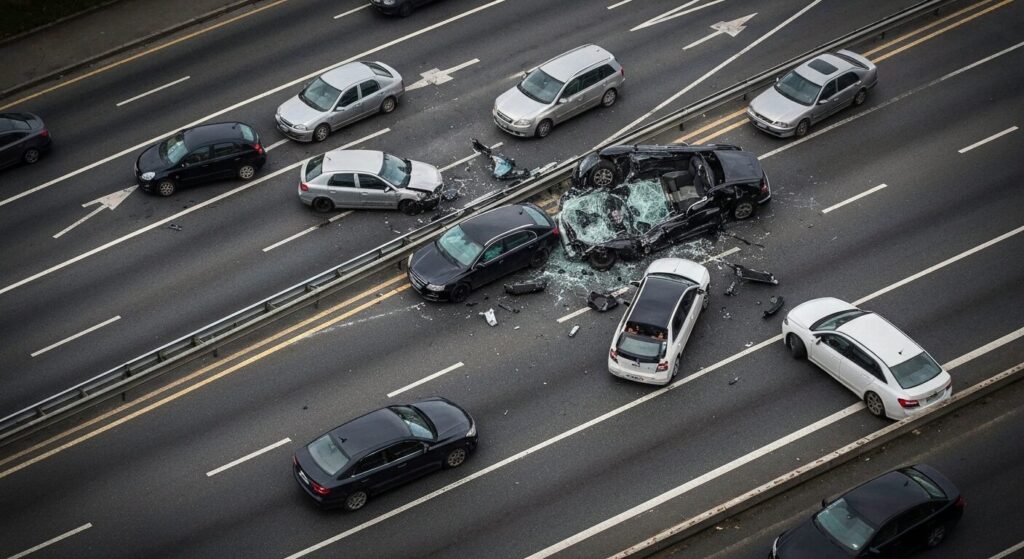
In practice, first aid for car accidents draws from established guidelines set by groups like the American Heart Association and local emergency protocols, which stress the importance of basic skills everyone can learn. For instance, in areas with high traffic density, such as Georgia’s interstates, where accident rates exceed the national average due to factors like speeding and weather, responders must adapt to unique challenges like crowded scenes or limited visibility. These standards, including OSHA’s workplace safety rules that often apply to roadside incidents, remind us that preparation involves not just knowledge but also tools like a basic first aid kit in every car.
As someone who’s spent years working alongside emergency teams, I see how these steps empower ordinary people to step up in critical moments. By breaking down the process into clear, practical actions, we can build confidence and readiness, ensuring that help is more than just a phone call away. This approach, grounded in real experiences from accident sites, sets the stage for deeper exploration of how to handle these events with precision and care. The following are important first aid for car accident victims:
1. Ensuring Safety at the Scene
The moment you spot a car accident, your top priority is to protect yourself and others from further risks. Without this step, you could end up needing help yourself, which complicates the situation for everyone. Start by pulling over safely if you’re driving, at least 100 feet away from the crash to avoid incoming traffic. Turn on your hazard lights and, if possible, use flares or reflective triangles to warn other drivers. In urban areas like Atlanta, where roads are often congested, this might mean directing traffic or waving down help from nearby vehicles.
Real-world examples show how this initial caution makes a difference. Take a 2021 incident in Florida, where a bystander rushed into a crash site without checking for hazards and got hit by another car, turning a bad scene worse. According to reports from the Centers for Disease Control and Prevention, about 20% of accident-related deaths involve secondary incidents like these. To avoid that, scan for obvious dangers: leaking fuel, which could ignite; downed power lines, which pose electrocution risks; or unstable vehicles that might shift. If you smell gas or see smoke, stay back and call 911 first.
In more detail, here’s how to secure the area step by step:
- Park your vehicle in a safe spot and engage the emergency brake.
- Put on a safety vest if you have one, and use any available barriers to create a buffer zone.
- If there are multiple victims, quickly note their locations but don’t rush in until the scene is stable.
- Enlist help from others at the site; for example, ask one person to manage traffic while you assess injuries. Statistics from the National Safety Council indicate that proper scene management can reduce additional injuries by up to 40%, underscoring why this foundational step is non-negotiable. By treating the environment as part of the emergency, you’re setting up a safer space for the aid that follows.
2. Checking for Injuries and Responsiveness
Once the scene is secure, turn your attention to the victims, starting with a quick check for responsiveness. This helps you gauge the severity and decide on next steps without causing more harm. Gently tap the person on the shoulder and ask loudly, “Are you okay?” If they respond, ask simple questions like “What hurts?” to get a sense of their condition. In cases involving children or unconscious adults, be extra gentle to avoid aggravating hidden injuries.
Drawing from case studies, such as a 2020 report from the American College of Emergency Physicians, early assessments often reveal critical issues like internal bleeding or spinal damage. For instance, in a multi-car pileup in Ohio, bystanders who checked responsiveness first identified a victim with a blocked airway, allowing for timely intervention. The key is to use the ABCs of first aid: Airway, Breathing, and Circulation. First, ensure the airway is open by tilting the head back slightly if there’s no suspected neck injury. Then, watch for normal breathing—look for chest rise, listen for sounds, and feel for air on your cheek.
To make this actionable, follow these steps:
- If the person is unresponsive, shout for help and have someone call emergency services while you continue.
- Check breathing for no more than 10 seconds; if it’s absent or irregular, prepare for further aid.
- Look for visible injuries, such as cuts, bruises, or deformities, but avoid touching unless necessary. Data from the World Health Organization shows that prompt checks can improve survival rates by 30% in trauma cases. This methodical approach, informed by training programs like those from the Red Cross, ensures you’re gathering vital information without overwhelming the situation.
3. Providing Basic Life Support
If a victim isn’t breathing or has no pulse, basic life support becomes essential. This isn’t about advanced medical procedures but simple techniques anyone can learn, like hands-only CPR, which focuses on chest compressions to keep blood flowing. Start by positioning yourself correctly: kneel beside the person, place one hand on the center of their chest, and use your other hand to press down firmly at a rate of 100 to 120 compressions per minute.
Real-life scenarios, such as a documented rescue in New York City in 2019, highlight the impact. There, a driver performed CPR on a crash victim until paramedics arrived, helping restore circulation and saving a life. The American Heart Association recommends this method for adults, noting that it can double or triple chances of survival when started within minutes. Remember, if you’re alone, call 911 first and put the phone on speaker so you can begin compressions immediately.
Break it down like this:
- For chest compressions, push hard and fast, allowing the chest to fully recoil between presses.
- If you’re trained, follow with rescue breaths, but hands-only CPR is effective in most cases.
- Continue until help arrives or the person shows signs of life, such as coughing or moving. Incorporating stats, the CDC reports that over 350,000 out-of-hospital cardiac arrests occur yearly in the US, many linked to accidents, and immediate CPR can make a significant difference. This section builds on the previous by moving from assessment to active intervention, showing how these skills connect in a chain of survival.
4. Handling Bleeding and Fractures
Car accidents often result in visible injuries like cuts, bleeding, or broken bones, which require targeted first aid to prevent complications. For bleeding, apply direct pressure using a clean bandage or cloth; if blood soaks through, add more layers without removing the original. In severe cases, like arterial bleeding where blood spurts, elevate the limb if possible and maintain pressure for at least 15 minutes.
Consider a 2022 case in Arizona, where quick action on a deep laceration from a crash helped stabilize a victim until medical help arrived. For fractures, suspect one if there’s swelling, deformity, or pain; immobilize the area by splinting with available materials, like a rolled-up jacket, but never try to realign the bone yourself. The Orthopedic Trauma Association advises that improper handling can lead to permanent damage, so keep the victim as still as possible.
Here’s a step-by-step guide:
- For bleeding: Clean the wound if you can, apply pressure, and secure with a bandage to promote clotting.
- For fractures: Support the injured area with padding and avoid movement; use a sling for arms or tie legs together if needed.
- Monitor for shock, which might show as pale skin or confusion, and keep the person warm. National data reveals that bleeding accounts for nearly 40% of pre-hospital deaths in crashes, per NHTSA, making these techniques crucial for bridging the gap to professional care.
5. Recognizing and Addressing Shock
Shock is a common but often overlooked issue in car accidents, where the body’s response to trauma can lead to low blood pressure and organ failure if not managed. Signs include rapid breathing, clammy skin, or confusion, and it can affect anyone, even without obvious injuries. To address it, lay the person down with their legs elevated about 12 inches, unless you suspect a head or spine injury, and cover them with a blanket to maintain body heat.
From emergency reports, like a 2018 incident in Illinois, keeping a crash victim warm and calm prevented shock from worsening, allowing for full recovery. Always reassure the person with steady words, as emotional support plays a key role. If they’re vomiting or losing consciousness, position them on their side to keep the airway clear.
Key actions include:
- Elevate legs carefully and monitor breathing closely.
- Avoid giving food or drink, as it could complicate treatment.
- Stay vigilant for changes and report them to responders. Studies from the Journal of Emergency Medical Services indicate that early intervention for shock can reduce fatality risks by 50%, tying back to the overall strategy of comprehensive aid.
6. Knowing When to Call Professionals and Follow Up
Even with your best efforts, some situations demand immediate professional help, such as severe head injuries, multiple victims, or if you’re unsure of your actions. Always call 911 at the start, providing details like the number of people involved and any hazards. After the incident, encourage victims to seek follow-up care, like check-ups for concussions, and share resources from local health departments.
In a Texas case from 2021, bystanders who called early and stayed informed helped coordinate with arriving teams, leading to better outcomes. For prevention, consider taking first aid courses or keeping an emergency kit in your car.
Steps to wrap up:
- Relay accurate information to emergency services, including your location and victim status.
- Document the event if possible, for insurance or medical records.
- Reflect on the experience to improve your skills for the future. With over 2.7 million injury treatments from crashes annually, as per CDC data, this final step ensures long-term safety.
Don’t deal with insurance alone. Talk to a personal injury lawyer today.
Insurance companies often prioritize their bottom line, not your recovery. Handling the claims process on your own can lead to low settlement offers, misinterpreted statements, or delays that hurt your case. A skilled personal injury lawyer can step in immediately to protect your rights, manage all communication, and fight for the compensation you truly deserve. Reach out today and let an experienced attorney guide you through every step while you focus on healing.
Conclusion
Throughout this discussion, we’ve covered the essential steps from securing the scene to providing targeted aid, all aimed at helping you respond effectively to car accidents. By checking for responsiveness, offering basic life support, and handling specific injuries, you can make a meaningful impact while prioritizing safety. These actions not only address immediate needs but also prepare you for real-world challenges, drawing from reliable data and expert practices.
Take the next step by practicing these skills through community classes or assembling a personal emergency kit. It’s a simple way to be ready when it matters most. Your quick decisions could change the course of someone’s day, so act with confidence and seek more training to stay prepared. Remember, in these moments, you’re not just a bystander; you’re a vital link in the chain of care. Injured in a crash? Get a free case evaluation today.