
TL;DR
Medical malpractice occurs when healthcare providers deviate from accepted standards of care, causing patient harm. The most common examples include misdiagnosis or delayed diagnosis, surgical errors, medication mistakes, birth injuries, anesthesia errors, failure to treat, improper follow-up care, premature discharge, infections from unsanitary conditions, and inadequate patient monitoring. These cases typically require proof that a doctor-patient relationship existed, the provider was negligent, this negligence directly caused injury, and the injury resulted in specific damages.
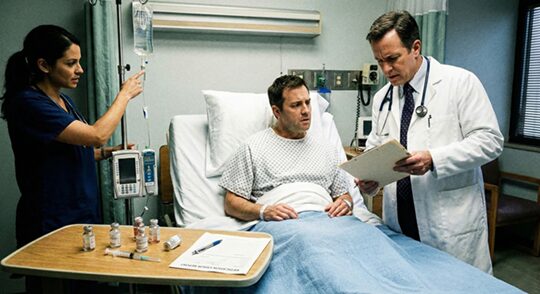
Medical errors contribute to approximately 250,000 deaths annually in the United States, making them the third leading cause of death behind heart disease and cancer. These statistics from Johns Hopkins University reveal a troubling reality within healthcare systems nationwide. While most medical professionals provide competent care, mistakes happen with alarming frequency, affecting patients across all demographics and medical specialties.
Understanding what constitutes medical malpractice helps patients recognize when substandard care has occurred and when they might have grounds for legal action. Medical malpractice law exists to hold healthcare providers accountable when their negligence causes preventable harm. The legal framework requires proving four essential elements of medical malpractice: duty of care, breach of that duty, causation linking the breach to injury, and measurable damages. Recognizing common patterns of medical negligence empowers patients to advocate for themselves and seek appropriate recourse when healthcare falls dangerously short of acceptable standards.
1. Misdiagnosis and Delayed Diagnosis
Diagnostic errors represent the most frequent type of medical malpractice claim, accounting for roughly 33% of all cases. These mistakes occur when physicians fail to correctly identify a patient’s condition or take too long to reach an accurate diagnosis, allowing diseases to progress unnecessarily.
How Diagnostic Errors Happen
Doctors make diagnostic mistakes for various reasons. Time pressure in busy emergency rooms and clinics can lead to rushed examinations. Cognitive biases cause physicians to anchor on initial impressions without considering alternative explanations. Communication breakdowns between specialists mean critical information gets lost. Inadequate testing or misinterpretation of test results leaves conditions undetected.
Cancer misdiagnosis cases are particularly devastating. A Johns Hopkins study found that diagnostic errors most commonly involve cancers, vascular events, and infections. When breast cancer, lung cancer, or colorectal cancer goes undiagnosed, patients miss the window for early intervention when treatment is most effective. A six-month delay in cancer diagnosis can mean the difference between stage I and stage III disease, dramatically altering survival rates.
Heart attacks and strokes also suffer from dangerous diagnostic delays. Emergency room physicians sometimes attribute chest pain to indigestion or anxiety, sending patients home who are actually experiencing cardiac events. Stroke symptoms get dismissed as migraines or vertigo, costing patients precious hours when clot-busting medications could prevent permanent brain damage.
The Impact on Patient Outcomes
Delayed diagnosis directly affects prognosis and treatment options. Early-stage diseases often respond well to less invasive treatments, while advanced conditions require aggressive interventions with lower success rates. Patients who receive delayed cancer diagnoses frequently require chemotherapy, radiation, or extensive surgery that might have been unnecessary with earlier detection.
The emotional toll compounds physical harm. Patients lose trust in medical professionals and experience anxiety about whether their current symptoms are being taken seriously. Families watch loved ones suffer from preventable disease progression, knowing that earlier action could have changed the outcome.
2. Surgical Errors and Wrong-Site Surgery
Operating room mistakes represent some of the most shocking examples of medical malpractice. These “never events” should theoretically never occur with proper protocols, yet they happen approximately 4,000 times annually in the United States according to research published in Surgery journal.
Types of Surgical Mistakes
Wrong-site surgery involves operating on the incorrect body part, such as removing the healthy kidney instead of the diseased one or performing surgery on the left knee when the right knee needed repair. Wrong-patient surgery occurs when a patient receives a procedure intended for someone else due to identification errors. Wrong-procedure surgery means performing an entirely different operation than what was planned and consented to.
Surgical instruments or sponges left inside patients after procedures create serious complications. These retained foreign objects can cause infections, internal bleeding, and severe pain. Patients often require additional surgery to remove the items, extending recovery time and increasing medical costs.
Nerve damage during surgery can result from improper technique or accidental cutting of nerves near the surgical site. This may cause permanent numbness, loss of function, or chronic pain. Organ perforation happens when surgeons accidentally puncture organs adjacent to the surgical area, leading to internal bleeding or infection.
Prevention Protocols That Fail
Hospitals implement multiple safety checks to prevent surgical errors, including the Universal Protocol developed by The Joint Commission. This requires verification of correct patient, procedure, and site before surgery begins. Surgical teams should conduct a “time out” immediately before incision to confirm all details.
When these protocols fail, it typically involves human factors like fatigue, poor communication, or rushing through safety steps. A surgeon who operates on multiple patients back-to-back may experience decision fatigue. Nurses who feel intimidated by aggressive surgeons might hesitate to speak up when they notice discrepancies. Hospital administrators who prioritize efficiency over safety create environments where corners get cut.
Patients who suffer surgical errors often require corrective procedures, face extended recovery periods, and deal with complications that wouldn’t have occurred with proper care. Some never fully recover from the damage caused by preventable mistakes.
3. Medication Errors
Prescription mistakes harm at least 1.5 million people annually in the United States, according to the National Academies of Sciences, Engineering, and Medicine. These errors occur at multiple points in the medication process, from prescribing to dispensing to administration.
Common Medication Mistakes
Prescribing the wrong medication happens when doctors confuse similar drug names or fail to review a patient’s complete medication list. Sound-alike drug names like Celebrex and Celexa or Xanax and Zantac create confusion. A patient might receive a blood thinner when they need a blood pressure medication, with potentially fatal consequences.
Incorrect dosages represent another frequent error. Pediatric patients are especially vulnerable because their doses require careful calculation based on weight. A decimal point error can result in a child receiving ten times the intended dose. Elderly patients with reduced kidney or liver function need adjusted doses, but doctors sometimes prescribe standard amounts that lead to dangerous accumulation.
Failing to account for drug interactions causes preventable complications. Many medications interact with each other, either reducing effectiveness or creating toxic combinations. A patient taking warfarin for blood clots who receives a prescription for antibiotics without dose adjustment may experience dangerous bleeding. Someone on MAO inhibitors for depression can suffer hypertensive crisis if given certain cold medications.
Pharmacy and Administration Errors
Pharmacists sometimes fill prescriptions incorrectly, giving patients the wrong medication or wrong strength. Busy pharmacies with similar-looking bottles and names increase error risk. Patients who don’t carefully check their medications before leaving the pharmacy may not discover the mistake until they experience adverse effects.
Hospital medication administration errors occur when nurses give medications to the wrong patient, administer drugs through the wrong route, or skip important doses. Electronic health records help reduce these mistakes but aren’t foolproof. A nurse caring for multiple patients under time pressure might scan the wrong patient’s wristband or grab medication from the wrong drawer.
Patients suffering medication errors may experience allergic reactions, organ damage, worsening of their original condition, or new health problems requiring additional treatment. Some medication mistakes prove fatal, particularly with high-risk drugs like insulin, opioids, or chemotherapy agents.
4. Birth Injuries and Obstetric Negligence
Childbirth complications can result in devastating, lifelong injuries to babies and mothers. While some birth injuries are unavoidable, many result from medical negligence during pregnancy, labor, or delivery.
Injuries to Newborns
Cerebral palsy affects approximately 10,000 babies born each year in the United States, and medical malpractice causes a significant percentage of these cases. When doctors fail to recognize fetal distress or delay performing necessary cesarean sections, babies can suffer oxygen deprivation that damages developing brains. Electronic fetal monitoring shows concerning heart rate patterns that trained obstetricians should recognize and act upon promptly.
Erb’s palsy involves nerve damage to the baby’s shoulder and arm, typically from excessive force during difficult deliveries. When babies are large or positioned awkwardly, doctors must exercise appropriate care during extraction. Pulling too hard on the baby’s head or using excessive force with forceps or vacuum extractors can stretch or tear the brachial plexus nerves, causing partial or complete paralysis.
Failure to diagnose and treat maternal infections like Group B streptococcus can lead to newborn infections, including meningitis and sepsis. Standard prenatal care includes screening for these infections, and positive results require antibiotic treatment during labor. Skipping these protocols puts babies at unnecessary risk.
Maternal Injuries
Mothers also suffer from obstetric negligence. Undiagnosed or untreated preeclampsia can progress to eclampsia, causing seizures, stroke, and organ damage. Obstetricians should monitor blood pressure and protein levels throughout pregnancy, especially in high-risk patients. Warning signs like severe headaches, vision changes, and upper abdominal pain require immediate attention.
Excessive bleeding after delivery (postpartum hemorrhage) requires swift intervention. Doctors must identify the cause and take appropriate action, whether that involves medication, manual removal of retained placenta, or emergency surgery. Delays in treating postpartum hemorrhage can result in shock, emergency hysterectomy, or maternal death.
Surgical errors during cesarean sections can damage the bladder, bowel, or blood vessels. While some risk exists with any surgery, careless technique or inadequate visualization increases the likelihood of these complications. Patients deserve surgeons who exercise appropriate skill and caution.
5. Anesthesia Errors
Anesthesia mistakes are less common than other types of medical malpractice but often result in severe consequences. Anesthesiologists must carefully calculate doses, monitor patients continuously, and respond immediately to complications.
Types of Anesthesia Mistakes
Administering too much anesthesia can cause brain damage, coma, or death. Patients vary in their sensitivity to anesthetic agents based on age, weight, medical conditions, and other medications. Anesthesiologists must account for these factors when determining appropriate doses. Overdose can depress respiratory and cardiac function to dangerous levels.
Giving too little anesthesia leads to intraoperative awareness, where patients regain consciousness during surgery but remain paralyzed and unable to alert the surgical team. This traumatic experience causes lasting psychological harm, including PTSD, anxiety, and depression. While rare, it occurs more frequently than it should when anesthesiologists fail to monitor anesthetic depth properly.
Intubation errors can damage teeth, vocal cords, or the trachea. More seriously, failed intubation can leave patients without adequate oxygen, causing brain damage within minutes. Anesthesiologists must have backup plans and equipment ready when initial intubation attempts fail.
Monitoring Failures
Anesthesiologists must continuously monitor vital signs throughout procedures, including heart rate, blood pressure, oxygen saturation, and carbon dioxide levels. Failing to notice and respond to changes can allow preventable complications to progress. A patient whose oxygen saturation drops requires immediate intervention, not delayed recognition after brain damage has occurred.
Inadequate pre-operative evaluation creates risks. Anesthesiologists should review complete medical histories, current medications, allergies, and previous anesthesia experiences. A patient with undiagnosed sleep apnea faces increased risks under anesthesia. Someone taking certain medications may have dangerous interactions with anesthetic agents. Thorough evaluation identifies these risks so appropriate precautions can be taken.
Patients who suffer anesthesia errors may experience permanent brain damage, nerve injuries, heart problems, or psychological trauma. Some never wake up from procedures that should have been routine.
6. Failure to Treat
Even when doctors correctly diagnose conditions, they sometimes fail to provide appropriate treatment. This negligence allows diseases to progress unnecessarily and causes preventable complications.
Inadequate Treatment Plans
Doctors who diagnose conditions but prescribe insufficient treatment fail their patients. A physician might identify a serious infection but prescribe antibiotics that don’t cover the specific bacteria involved. A cardiologist might recognize heart disease but fail to prescribe proven medications or recommend necessary lifestyle changes.
Failure to refer patients to specialists when conditions exceed the primary care doctor’s expertise constitutes negligence. Primary care physicians should recognize when patients need cardiology, oncology, neurology, or other specialized care. Attempting to manage complex conditions without appropriate training delays effective treatment and worsens outcomes.
Ignoring test results represents particularly egregious negligence. Laboratories flag abnormal findings that require follow-up, but busy doctors sometimes overlook these alerts. A patient’s biopsy showing cancer cells might sit unaddressed in an electronic health record while the disease spreads. Blood tests revealing kidney failure might not prompt treatment adjustments.
Abandoning Patient Care
Doctors who stop treating patients without ensuring continuity of care engage in patient abandonment. This might involve a physician retiring or leaving a practice without transferring patient records or informing patients about ongoing treatment needs. Patients with chronic conditions requiring continuous management suffer when their care gets interrupted.
Emergency room physicians who discharge patients too quickly without adequate evaluation or follow-up instructions fail to meet standards of care. A patient presenting with chest pain deserves thorough cardiac workup, not dismissal with instructions to take antacids. Someone with severe abdominal pain needs imaging and evaluation, not reassurance that it’s probably nothing serious.
Failure to treat causes disease progression, complications that could have been prevented, and sometimes death. Patients trust doctors to not only identify problems but also provide appropriate solutions.
7. Inadequate Follow-Up Care
Medical treatment doesn’t end when patients leave the hospital or clinic. Proper follow-up care ensures recovery progresses as expected and catches complications early.
Missing Critical Follow-Up
Doctors must communicate test results to patients, especially abnormal findings requiring action. A system that generates test results but doesn’t ensure physicians review them and contact patients creates dangerous gaps. Patients who undergo biopsies, imaging studies, or blood tests deserve timely notification of results and clear explanations of what they mean.
Post-surgical follow-up appointments allow doctors to check incisions, remove sutures, and identify complications like infections or poor healing. Surgeons who don’t schedule these appointments or fail to see patients who report concerning symptoms after surgery miss opportunities to prevent serious problems. A surgical site infection caught early responds to antibiotics, but untreated infections can lead to sepsis.
Chronic disease management requires ongoing monitoring. Diabetic patients need regular hemoglobin A1C testing and medication adjustments. Patients on blood thinners require periodic blood tests to ensure proper dosing. Doctors who don’t schedule these follow-ups or respond to abnormal results fail to provide adequate care.
Communication Breakdowns
Hospital discharge instructions must be clear, complete, and understandable. Patients need to know which medications to take, what symptoms warrant immediate attention, and when to schedule follow-up appointments. Vague or incomplete discharge instructions leave patients confused about how to care for themselves at home.
Transitions between healthcare providers create vulnerability. When patients move from hospital to rehabilitation facility to home, information must transfer completely. A patient’s allergy information, current medications, and treatment plan should follow them. Communication failures during these transitions lead to medication errors, missed diagnoses, and treatment delays.
Patients who don’t receive adequate follow-up care may experience preventable complications, disease progression, or delayed diagnosis of new problems. Some suffer permanent harm from conditions that could have been managed effectively with appropriate monitoring.
8. Premature Discharge
Hospitals face pressure to discharge patients quickly to reduce costs and free up beds. However, sending patients home before they’re medically stable constitutes negligence.
Risks of Early Discharge
Patients discharged while still requiring hospital-level care may deteriorate rapidly at home. Someone recovering from pneumonia who still needs intravenous antibiotics and oxygen support shouldn’t be sent home. A post-surgical patient with uncontrolled pain, inability to eat, or signs of infection needs continued hospital care.
Inadequate discharge planning creates problems even for patients who are medically stable enough to leave. Elderly patients who live alone may not be able to manage complex medication schedules or recognize warning signs of complications. Patients without reliable transportation might miss crucial follow-up appointments. Those without support systems at home may struggle with basic activities of daily living during recovery.
Vulnerable Populations
Pediatric patients face particular risks from premature discharge. Children can deteriorate quickly, and parents may not recognize subtle signs of worsening conditions. A child with asthma who still requires frequent breathing treatments shouldn’t be discharged until their condition stabilizes.
Elderly patients often have multiple medical conditions and take numerous medications. They may have cognitive impairment affecting their ability to follow discharge instructions. Sending them home without ensuring adequate support and clear care plans increases readmission risk and potential for complications.
Patients with mental health conditions or substance use disorders require careful discharge planning. Someone hospitalized for suicidal ideation shouldn’t be discharged without a safety plan, outpatient treatment arranged, and support system in place. Patients in withdrawal need medical supervision until they’re stable.
Premature discharge leads to preventable readmissions, emergency room visits, and sometimes death. Patients deserve to remain hospitalized until they’re truly ready for the next level of care.
9. Hospital-Acquired Infections
Healthcare facilities should maintain sanitary conditions that prevent infections. When hospitals fail to follow proper hygiene protocols, patients develop infections they didn’t have upon admission.
Common Hospital Infections
Surgical site infections occur when bacteria enter incisions during or after surgery. Proper sterile technique, appropriate antibiotic prophylaxis, and careful wound care should prevent most of these infections. When surgical teams fail to maintain sterile fields, use contaminated instruments, or neglect proper hand hygiene, patients suffer preventable infections requiring additional antibiotics or surgery.
Catheter-associated urinary tract infections result from improper insertion or maintenance of urinary catheters. These devices should only be used when medically necessary and removed as soon as possible. Hospitals that leave catheters in place longer than needed or don’t follow sterile insertion techniques cause painful infections that can spread to the kidneys or bloodstream.
Central line-associated bloodstream infections occur when intravenous lines inserted into large veins become contaminated. These serious infections can cause sepsis and death. Proper insertion technique, sterile dressing changes, and timely removal of unnecessary lines prevent most cases.
Methicillin-resistant Staphylococcus aureus (MRSA) and Clostridium difficile spread in hospitals through contaminated surfaces and inadequate hand hygiene. Healthcare workers who don’t wash hands between patients or properly clean equipment transmit these dangerous bacteria. Hospitals must enforce strict infection control protocols to protect patients.
Prevention Standards
The Centers for Disease Control and Prevention publishes detailed guidelines for preventing healthcare-associated infections. Hospitals that follow these evidence-based protocols dramatically reduce infection rates. Hand hygiene remains the single most important prevention measure, yet compliance rates often fall below acceptable levels.
Environmental cleaning standards require thorough disinfection of patient rooms, especially high-touch surfaces like bed rails, call buttons, and bathroom fixtures. Hospitals that cut corners on cleaning to save money put patients at risk.
Patients who develop hospital-acquired infections face extended hospital stays, additional medical expenses, pain and suffering, and risk of serious complications or death. These infections are largely preventable with proper protocols and diligence.
10. Failure to Monitor Patients
Hospitalized patients require appropriate monitoring based on their conditions and treatments. Inadequate monitoring allows preventable complications to progress unnoticed.
Monitoring Failures
Post-operative patients need regular vital sign checks and assessment for complications like bleeding, infection, or adverse reactions to medications. Nurses who don’t check on patients frequently enough or fail to recognize and report concerning changes allow problems to escalate. A patient developing internal bleeding after surgery shows signs like dropping blood pressure, increased heart rate, and decreasing urine output. These changes require immediate attention.
Patients receiving high-risk medications like insulin, blood thinners, or chemotherapy need careful monitoring for adverse effects. Blood sugar levels must be checked regularly in diabetic patients receiving insulin. Patients on blood thinners require monitoring for signs of bleeding. Chemotherapy patients need assessment for severe side effects that might require dose adjustments or treatment delays.
Cardiac monitoring identifies dangerous heart rhythms that require immediate intervention. Patients with heart conditions, those recovering from cardiac procedures, or anyone receiving medications that affect heart rhythm should have continuous monitoring. Nurses must respond promptly to alarms rather than silencing them without investigation.
Staffing and Workload Issues
Inadequate nurse-to-patient ratios contribute to monitoring failures. Nurses responsible for too many patients cannot provide appropriate attention to each one. Hospitals that prioritize profits over safe staffing levels create conditions where monitoring lapses become inevitable.
Inexperienced or inadequately trained staff may not recognize subtle signs of deterioration. A new graduate nurse might not realize that a patient’s slight confusion and mild tachycardia indicate early sepsis requiring immediate intervention. Hospitals must ensure staff have appropriate training and supervision.
Patients who aren’t monitored adequately may suffer cardiac arrest, respiratory failure, severe bleeding, or other crises that could have been prevented or minimized with earlier detection. Some die from complications that should have been caught and treated promptly.
Conclusion
Medical malpractice takes many forms, but all cases share common elements: healthcare providers failing to meet accepted standards of care and causing preventable harm to patients. The ten examples discussed here represent the most frequent types of medical negligence, from diagnostic errors and surgical mistakes to medication errors and inadequate monitoring. Understanding these patterns helps patients recognize when they’ve received substandard care and empowers them to take appropriate action.
If you believe you or a loved one has suffered harm due to medical negligence, consult with an experienced medical malpractice attorney who can evaluate your case. These claims have strict time limits called statutes of limitations, typically ranging from one to three years depending on your state. Acting quickly preserves your legal rights and ensures evidence remains available. Medical malpractice cases require expert testimony proving that care fell below accepted standards and directly caused your injuries. An attorney can help you understand whether your situation meets the legal criteria for malpractice. Contact us for free case evaluation.