
TL;DR: If someone is injured in a car accident, ensure their safety by moving them out of harm’s way if possible, call emergency services immediately, provide first aid if you are trained, and gather necessary information for medical and legal purposes. Stay calm and focused to help the injured person effectively.
Key Highlights
- Ensure Safety: Move the injured person only if there’s immediate danger.
- Call for Help: Contact emergency services as soon as possible.
- Provide First Aid: Administer first aid if you are trained and it’s safe to do so.
- Gather Information: Collect details about the accident for medical and legal use.
- Stay Calm: Maintain composure to assist effectively.
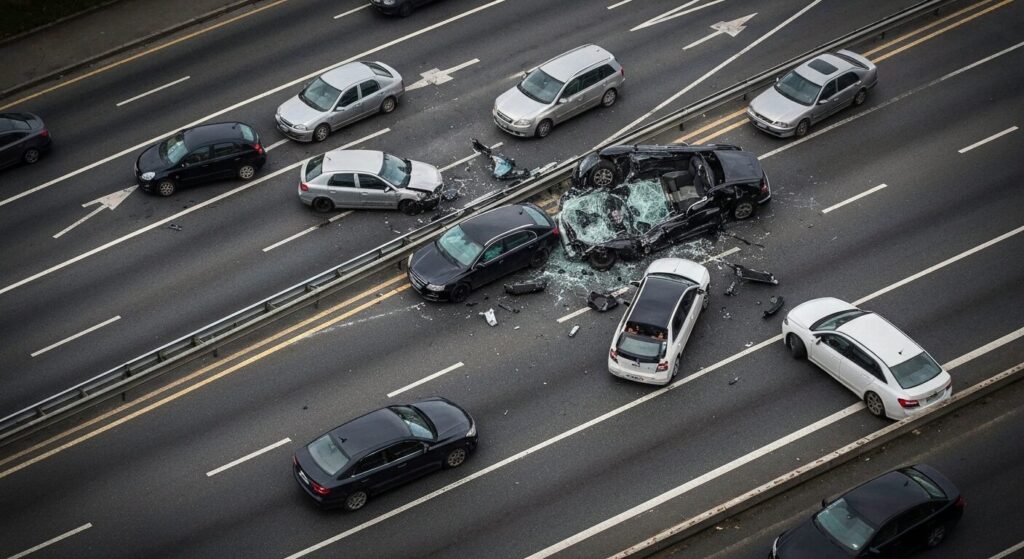
Car accidents are a common occurrence, with millions happening globally each year. In the United States alone, the National Highway Traffic Safety Administration (NHTSA) reports that approximately 6 million car accidents occur annually. These incidents can lead to various injuries, ranging from minor cuts and bruises to severe trauma. Understanding how to respond effectively when someone is injured in a car accident is crucial for ensuring their safety and well-being.
When an accident occurs, the immediate aftermath can be chaotic and stressful. It’s essential to remain calm and act swiftly to provide the necessary assistance to the injured parties. Legal obligations, such as stopping at the scene and reporting the accident, vary by jurisdiction but are generally mandated. Being aware of these regulations can help you navigate the situation responsibly.
In situations where someone is injured, your actions can significantly impact their recovery. This article provides detailed guidance on the steps to take if you find yourself in such a scenario, empowering you to act confidently and effectively. The following are essential things to do if someone is injured in a car accident
1. Ensure the Immediate Safety of Everyone
The first step in handling an accident is to ensure the safety of everyone involved. If the accident occurs on a busy road, assess whether it’s possible to move the injured person to a safer location without causing further harm. If there is any risk of spinal injury, avoid moving them unless there’s an immediate threat, such as a fire.
- Check for Immediate Dangers: Look for potential hazards like leaking fuel or oncoming traffic.
- Signal to Other Drivers: Use hazard lights, flares, or warning triangles to alert other drivers of the accident.
- Move to Safety: If safe, help the injured move to the side of the road or another secure area.
2. Call Emergency Services
Once safety is ensured, contact emergency services without delay. Provide the dispatcher with clear, concise information about the accident’s location, the number of people injured, and the nature of their injuries.
- Dial Emergency Number: In the U.S., call 911 for police and medical assistance.
- Provide Precise Location: Use landmarks or GPS coordinates if necessary.
- Describe Injuries: Give a brief overview of the injuries to ensure appropriate medical response.
3. Administer First Aid if You’re Trained
If you are trained in first aid, you can provide initial care to the injured person. This can be crucial in stabilizing their condition until professional help arrives.
- Check for Breathing: Ensure the person is breathing and has a pulse. If not, begin CPR if you are trained.
- Control Bleeding: Apply pressure to bleeding wounds with a clean cloth or bandage.
- Treat for Shock: Keep the person warm and comfortable, and reassure them help is on the way.
When Not to Provide First Aid
In some cases, attempting first aid might not be advisable, especially if you’re untrained or if the person’s condition is unknown. Focus on keeping them calm and still until professionals arrive.
- Avoid Moving Them: If you suspect a spinal injury, do not move the person unless necessary.
- Do Not Remove Helmets: If the injured person is a motorcyclist, leave their helmet on unless they are not breathing.
4. Document the Accident Scene and Exchange Contact Information
Gathering information at the scene is vital for both medical and legal reasons. This includes details about the accident, the vehicles involved, and any witnesses.
- Exchange Information: Share contact and insurance details with other drivers.
- Document the Scene: Take photos of the accident scene, vehicle damage, and any visible injuries.
- Identify Witnesses: Collect contact information from witnesses who can provide statements.
Legal Considerations
Understanding legal obligations can protect you from potential liabilities. Most jurisdictions require you to report accidents involving injuries.
- Report to Authorities: File a police report if required by local laws.
- Seek Legal Advice: Consider consulting with a legal professional if there are disputes or severe injuries.
5. Provide Physical and Emotional Support to the Injured
Beyond physical injuries, car accidents can be emotionally distressing. Providing emotional support can help the injured person cope with the situation.
- Stay Calm and Reassuring: Speak to them in a calm, soothing voice.
- Listen to Their Concerns: Allow them to express their fears or discomforts.
- Provide Comfort: Offer a blanket or jacket if they are cold or in shock.
Long-term Assistance
In some cases, the injured person may require ongoing support during their recovery. This could involve helping with daily tasks or coordinating medical appointments.
- Assist with Medical Follow-ups: Help schedule and attend medical appointments.
- Offer Practical Help: Assist with chores or errands if they are unable to perform them.
- Encourage Professional Help: Suggest seeing a therapist if they experience trauma or anxiety post-accident.
6. Contact a Personal Injury Attorney
If someone is injured in a car accident, contacting a personal injury attorney should be one of your earliest priorities after ensuring medical care and reporting the crash. A personal injury lawyer or car accident lawyer can guide you through the next steps, protect your rights, and prevent insurance companies from taking advantage of the situation. They can help collect vital evidence, communicate with insurers on your behalf, and explain your legal options. Early involvement of an attorney ensures the injured person has the strongest possible foundation for a successful claim.
Understanding Medical Procedures
Common Injuries
Car accidents can result in various injuries, each requiring different medical interventions. Understanding common injuries can help you anticipate the care needed.
- Soft Tissue Injuries: Bruises, sprains, and strains are common and may require rest and ice.
- Fractures: Broken bones need immobilization and medical evaluation.
- Head Injuries: Concussions and other head traumas require immediate medical attention.
Medical Response
Emergency responders will assess the injured person and determine the appropriate medical care. Being informed about these procedures can help you understand what to expect.
- On-site Assessment: Paramedics will check vital signs and stabilize the patient.
- Transport to Hospital: If necessary, the injured person will be transported to a hospital for further treatment.
- Follow-up Care: After initial treatment, ongoing care may involve physical therapy or specialist consultations.
Conclusion
In the event of a car accident, knowing how to respond when someone is injured can make a significant difference. By ensuring safety, calling for help, providing first aid, and gathering information, you can effectively assist the injured person. Remember, staying calm and composed is key to managing the situation efficiently.
Your actions can support the injured person’s recovery and ensure that legal and medical procedures are followed correctly. Encourage them to seek appropriate medical and legal advice as needed. By being prepared and informed, you can provide critical support in a challenging situation. Contact us for free case evaluation.